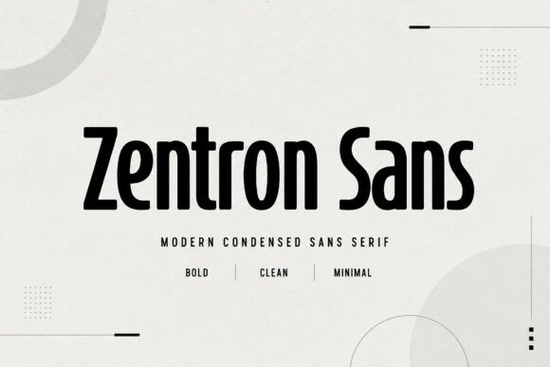
Finding the right typeface for a bold, modern project can take hours of scrolling through endless libraries. If you need something that saves horizontal space without losing visual impact, the Zentron Sans Font is a highly practical choice. It is a condensed sans serif typeface built specifically for clean, contemporary layouts. Whether you are designing streetwear apparel, tech startup branding, or eye-catching social media graphics, this tall and narrow lettering style gives your text a confident, urban feel.
What makes a condensed typeface useful for modern design?
Condensed lettering solves a very specific problem for designers and small business owners: fitting long words into tight spaces. When you are working on a product label, a mobile app header, or a magazine cover, horizontal space is often limited. A narrow structure allows you to use larger point sizes, which keeps the text highly readable even from a distance.
This specific typeface features sleek curves and a minimal structure. It avoids the cluttered look of heavily stylized display fonts, making it much easier to pair with body copy. If you are exploring other options in this category, you might also want to see what other designers are currently favoring for minimal, space-saving layouts.
Where does this lettering style work best?
Because of its strong, futuristic vibe, this font performs exceptionally well in environments that need to look sharp and professional. Print-on-demand sellers will find it particularly useful for typography-driven t-shirts and hoodies, where bold, stacked text is a popular design choice.
- Brand Identity: It creates strong, memorable wordmarks for tech companies, sports teams, and modern lifestyle brands.
- Packaging Design: The tall proportions look excellent on vertical spaces like beverage cans, cosmetic tubes, and supplement bottles.
- Editorial and Posters: It commands attention on magazine covers and event flyers without taking up the entire page.
- Social Media: It is perfect for bold, punchy quotes and carousel headers on Instagram or LinkedIn.
You can easily test how it looks on your own mockups by checking out Zentron Sans and downloading the files to your design software.
How do you pair it with other typography?
Pairing fonts correctly is essential for a balanced layout. Since this typeface is bold and highly structured, it needs a neutral, highly readable companion for paragraphs and smaller text. A simple, wide-set geometric or humanist style works best for the body copy.
Avoid pairing it with other condensed fonts, as the design will look too repetitive and strained. Similarly, combining it with a highly decorative script can create a jarring contrast. If your project requires a more organic or friendly tone, you might be better off choosing a softer, rounded alternative that feels more approachable. However, for projects needing a complete set of weights and styles, looking into a complete typeface collection is usually the safest route.
What should you check before buying a new font?
Before you commit to using a new typeface for a major client project or a large print run, it helps to verify a few technical details. This ensures you will not run into licensing or formatting issues later on.
- Check the character set: Make sure it includes all the special characters, numbers, and punctuation marks your specific project requires.
- Review the licensing terms: Confirm whether the license covers commercial use, especially if you are selling physical products or using it in a logo for a client.
- Test the kerning: Type out a few common words and check the spacing between letters. You can review the original typeface release to see the full character map and spacing details.
- Try it at different sizes: Print a test page or zoom in on your screen to ensure it remains legible at both very small and very large scales.
How should you test your final typography layout?
Once you have selected your typeface, start by creating a simple style tile. Type out your brand name, a standard headline, and a paragraph of body text. Print it out or view it on a mobile device to see how the contrast works in real life. Adjusting the letter spacing slightly can also help tailor the condensed look to your specific brand voice, giving your final design a custom, polished finish.
Get Started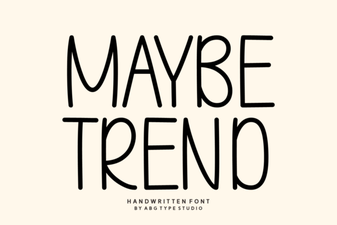 Maybe Trend: an Approach to Modern Design Typography
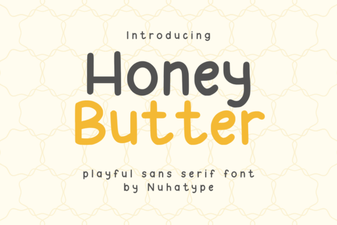 Honey Butter Font: Design and Download Guide
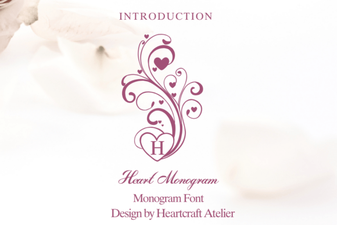 Heart Monograms: Elegant Fonts for Personal Projects
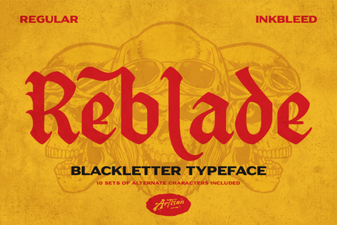 Reblade Font: Design Ideas & Tips
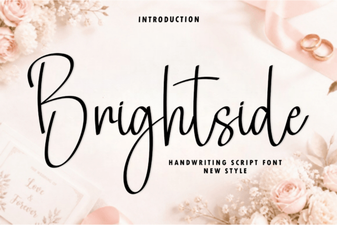 Brightside Font for Web Projects & Creative Design
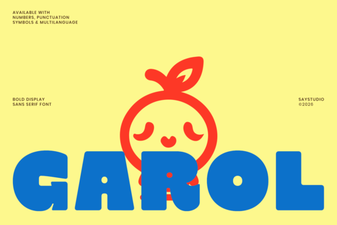 Garol Font: Creative Typography for Modern Design