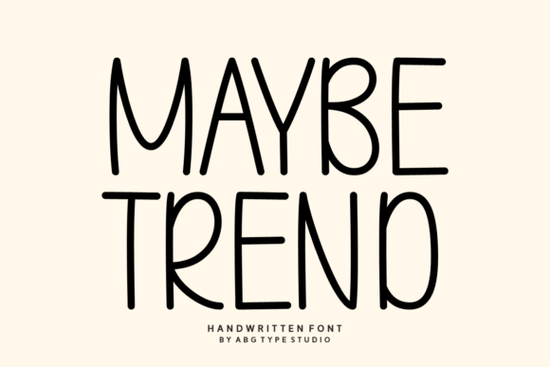
Finding the right typeface for a creative project often means balancing readability with personality. If you need a versatile sans serif that feels approachable and friendly, the Maybe Trend Font is a strong choice for your digital toolkit. It brings a gentle, handwritten touch to both digital and physical designs, making it highly practical for teachers, small business owners, and hobbyists. Whether you are designing classroom materials or personal journals, this typeface ensures your text feels warm and inviting without sacrificing basic clarity.
What makes a good handwritten sans serif for crafting?
When working on physical crafts like scrapbooking or journaling, you need letters that are easy to cut and weed. This typeface offers a neat, monoline structure that works beautifully with electronic cutting machines. Whether you are making custom laptop stickers or organizing a digital planner in Procreate, the clean lines prevent the material from tearing during the weeding process. It also has a playful, coquette-inspired charm that fits perfectly on notebook covers, greeting cards, and school supplies. If you enjoy this approachable style but want something slightly different for a specific project, you might also explore other warm and friendly sans serif options to see how they compare in your layout.
How can print-on-demand sellers use playful typography?
Selling custom apparel and drinkware requires text that catches the eye from a distance. A trendy, kawaii-inspired lettering style works exceptionally well on tumblers, tote bags, and graphic tees. Because the letters have a modern, minimalist foundation, they remain highly legible even when scaled down for small sublimation transfers or intricate SVG cut files. Small business owners can use this style for product packaging and social media graphics to build a cohesive, approachable brand identity that resonates with younger audiences. For sellers who need a more structured look for their storefront banners, pairing this playful text with a clean, geometric typeface helps balance the overall design and keeps the focus strictly on the product.
Which projects benefit most from a tidy, organized lettering style?
Not every project needs heavy, dramatic lettering. Educational materials, student planners, and daily organization charts require a tidy font that reduces visual clutter and keeps the reader focused. This typeface provides a neat, organized appearance that is easy for children and adults to read quickly. It is highly effective for creating flashcards, chore charts, and Notability planner doodles. When designing materials for a family-oriented brand or a parenting blog, you might want to look at a versatile family-focused typeface to give your main headers a slightly more traditional feel while keeping the body text light, airy, and easy to digest.
How do you pair cute fonts with clean layouts?
Mixing highly stylized text with simple layouts prevents your design from looking too busy or overwhelming. Use the playful, handwritten style for short headings, inspirational quotes, or personalized names, and stick to standard, easy-to-read fonts for longer paragraphs and instructions. This visual contrast ensures your core message is clear while still showing off your creative flair. If you are building a complete brand kit and need a reliable, professional counterpart to your playful headings, a modern and adaptable sans serif collection can serve as an excellent secondary font for your body copy, disclaimers, and fine print.
Before finalizing your design file for production or publishing, run through this quick checklist to ensure your typography is fully prepared:
- Check the weeding lines: If using a cutting machine, ensure the monoline strokes are thick enough for your specific vinyl, cardstock, or heat transfer material.
- Test the contrast: Place your text over the actual background color or photograph to verify it remains easy to read in various lighting conditions.
- Convert to outlines: Always convert your text to paths or outlines before sending the file to a commercial printer to avoid missing font errors.
- Mind the kerning: Adjust the spacing between letters manually if the automated tracking looks uneven, especially when wrapping text along curved paths.
- Verify licensing: Double-check your commercial use license if you plan to sell physical products featuring the typography.
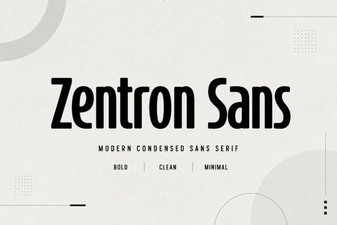 Zentron Sans Font: Creative Design Inspiration
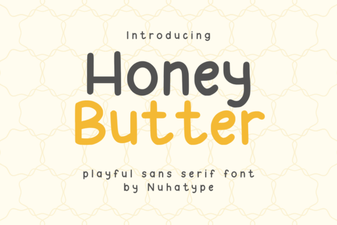 Honey Butter Font: Design and Download Guide
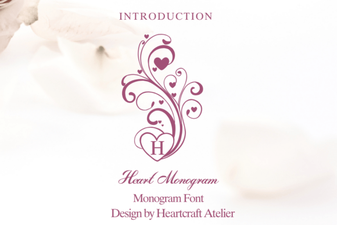 Heart Monograms: Elegant Fonts for Personal Projects
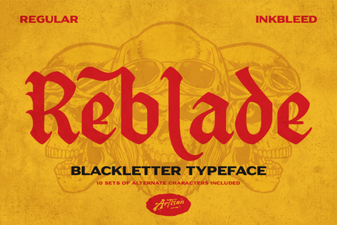 Reblade Font: Design Ideas & Tips
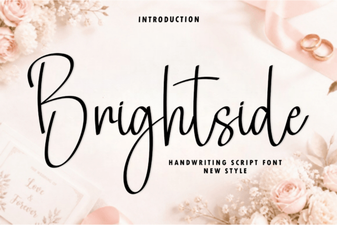 Brightside Font for Web Projects & Creative Design
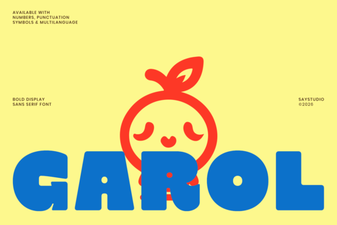 Garol Font: Creative Typography for Modern Design